
China is introducing stricter rules for the fast-growing AI industry, with AI companion apps being the main focus of its latest regulations.
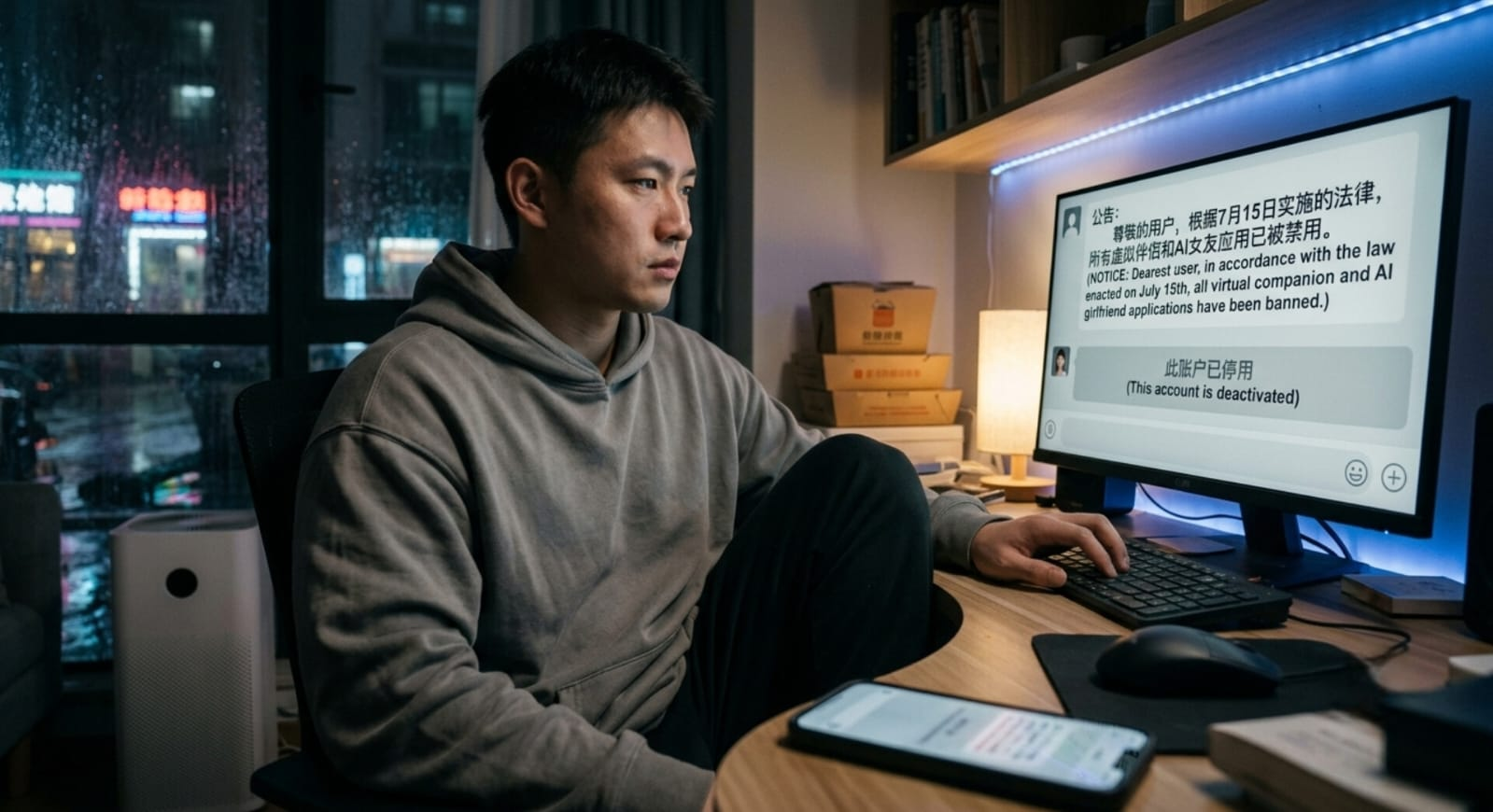
To follow the new rules, which will take effect on July 15, major Chinese tech companies like Alibaba, ByteDance, and Tencent are removing features that let users create or customize AI personalities.
ByteDance's Doubao and Alibaba's Qwen chatbots will disable these features on July 15. Tencent has already removed a similar feature from its chatbot. Meanwhile, Miaoshi, an AI companion app from NetEase Cloud Music, will shut down completely on July 14.New regulations for AI companion chatbots in China are scheduled to come into force on July 15th. The purpose of these regulations is the protection of the users from the danger posed by AI companions.
The current situation is that AI chatbots offer the users an opportunity to personalize their character by changing his/her identity, voice tone, specialization, and way of talking. Users use them as their personal assistants, tutors, virtual family, and even virtual partners.
While AI companionship has been gaining popularity in China, especially among children, seniors, and users who need psychological support, there are still some concerns raised by the government regarding this phenomenon. Some people get too addicted to such AI, which leads to what they call "AI psychosis."According to the new guidelines, AI firms shall not be allowed to offer virtual romantic companions and virtual relatives to anyone below the age of 18. Youngsters under 14 years old can use such AI systems only with parental or guardian consent.
The Chinese government is also tightening regulation of AI applications. Earlier this year, a Beijing court issued a warning regarding the fact that AI companion apps could harvest user information without consent. Then, the government announced a four-month campaign against the abuse of AI from April, targeting AI applications for harvesting user information or even account credentials.
As of now, over 3,500 AI products that violated the regulations were banned. In the second stage of the campaign, China will try to eliminate AI-based misinformation or explicit/obscene content generation.